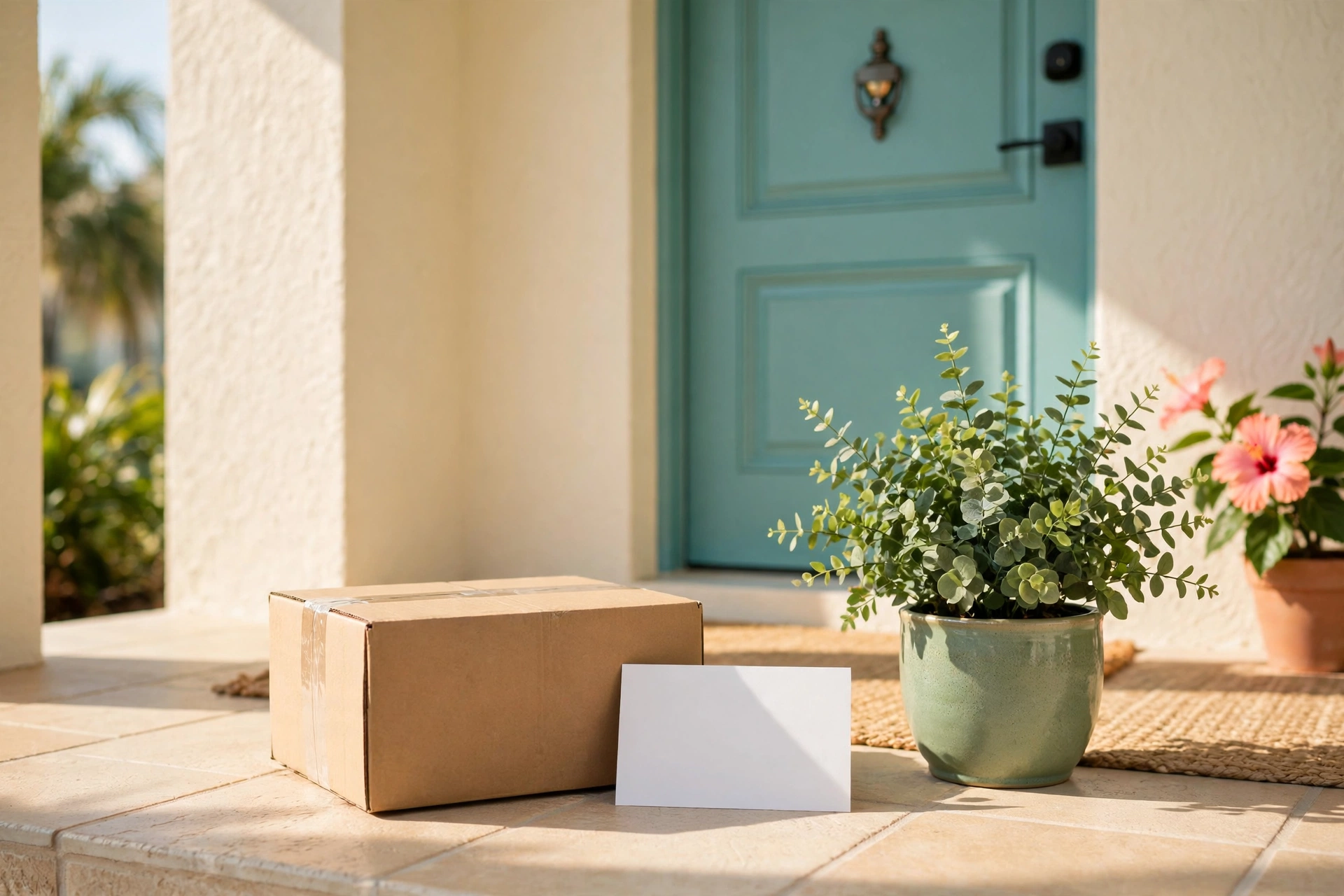

A brushing scam starts with a package you never ordered sitting on your porch with your name on the label. Inside is something small and strange, such as baby wipes, toothpaste, seeds or a cheap ring, and sometimes a card that invites you to scan a QR code to learn who sent it. Your first instinct is curiosity. That curiosity is exactly what the sender is counting on. Before you scan anything or search for a return label, learn what this box really is, because the package itself is rarely the danger. The card inside it can be.
Our Scam Proofing hub keeps this rule beside the other family protection checks we publish, because the safest move here takes ten seconds and costs nothing.
What a Brushing Scam Actually Is
In a brushing scam, a seller ships a low value item to a real person even though that person never placed an order. The delivery creates a record that looks like a genuine purchase. The seller then uses that record to post a glowing review in your name, marked as if it came from a verified buyer, to lift the product rating in search results. The United States Postal Inspection Service notes that the practice is illegal in the United States. The sender is often an international seller working through a large online marketplace.
The Federal Trade Commission refreshed its warning on August 20, 2026, telling readers that an unexpected package like this could be a brushing scam and that the boxes often look as if they came from a company you know. Receiving one does not by itself mean your bank account has been emptied. It does mean someone used your name and address without your permission to manufacture a sale that never happened. That calls for a calm response, and the response starts with what you refuse to do.
The Card Inside the Box Is the Real Danger
Older versions of this scheme ended with the fake review. The current version adds a step that can cost you real money. Many boxes now contain a small card with friendly wording and a QR code. The card may say the code will reveal who sent your gift, process a return, register a warranty or claim a prize. The Federal Trade Commission warns that scanning can take you to a phishing site built to collect your card numbers, usernames and passwords, and that it can also download harmful software onto your phone.
The Federal Bureau of Investigation made the same point in its public service announcement on July 31, 2025 about unsolicited packages containing QR codes. The Bureau said criminals often leave off any sender information on purpose, because a mystery makes you more likely to scan, and the code can lead to a page that asks for personal and financial information or installs software that pulls data from your phone. The rule is one line long. Never scan a code that arrived inside a package you did not order.
This trap differs from the fake delivery message in our guide to the package delivery scam text. That scam chases a package you did order through a link in a text. This one delivers the link to your doorstep inside a real box, which is why it feels safer than it is.
What to Do the Moment an Unordered Package Arrives
Work through these steps in order and you will handle the whole event in a few minutes.
- Leave every QR code in the box unscanned, and do not visit any web address printed on the card or the label.
- Keep the item or throw it away. Federal law allows you to treat unordered merchandise as a gift, so you owe the sender no payment and no return, and anyone who later demands either is adding a second scam on top of the first.
- Photograph the label and the card before you discard them, so you hold the sender details, the tracking number and the exact wording if you need them for a report.
- Report the package to the Federal Trade Commission at ReportFraud.ftc.gov, to the Federal Bureau of Investigation at ic3.gov when a QR code was included, and to the Postal Inspection Service when the box arrived by mail.
- Tell the marketplace named on the label, because platforms can remove the seller and strike the fake review written in your name.
- Warn the other adults in your home, because a second person who finds the box may scan the card without knowing this rule, a risk our holiday scams guide flags for the whole shopping season.
If You Already Scanned the Code
Act today, in this order. If you entered a username and password on the page the code opened, change that password at once and turn on two factor authentication for that account. If you entered a card number, call the issuer using the number on the back of the real card, report possible fraud and ask for a replacement card. Watch your statements closely for the next few months and dispute any charge you do not recognize. Check your marketplace accounts for orders or reviews you never made, and change those passwords as well. Then complete the same reports listed above and say plainly that you scanned the code and what you entered. Consider a free credit freeze if you shared sensitive details such as your Social Security number. A freeze blocks new accounts in your name and you can lift it whenever you apply for credit yourself.
How to Check Whether Your Name Was Used Elsewhere
Spend ten more minutes on three quiet checks. First, look for reviews attached to your marketplace profile that you never wrote. Second, review recent orders and saved addresses for anything unfamiliar. Third, pull your free weekly credit reports through the official federal site and scan for accounts you do not know. Most readers will find nothing else wrong, and that clean result is worth noting with the date you checked.
Share this with one older relative this week. Unordered packages land hardest on people who trust a printed card simply because it arrived inside their home.
Your Check for This Week
Here is your usable takeaway. If a package you never ordered arrives, keep the item if you want it, photograph the label, report the sender and never scan any code inside the box. Then tell your household the rule out loud today, before the next box lands, because the whole scheme depends on one curious scan made in the first minute.
Download the free ebook Unlocked Vol 2: The Financial Freedom Playbook for the wider system behind decisions like this one. Open it tonight and add the unordered package rule to the scam checklist you keep for your family.