
Most Florida homeowners shop for a lower premium by calling agents and comparing quotes, yet the fastest savings often sit in the roof over their heads. Wind mitigation Florida credits reward homes that can stand up to a hurricane, and Florida law requires insurers to offer real discounts when those features are verified by an inspection. If you have never ordered that inspection, or your last report expired, you may be paying full price for a stronger home than your insurer thinks you own.
What Wind Mitigation Florida Credits Actually Pay For
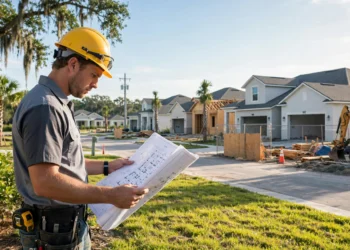
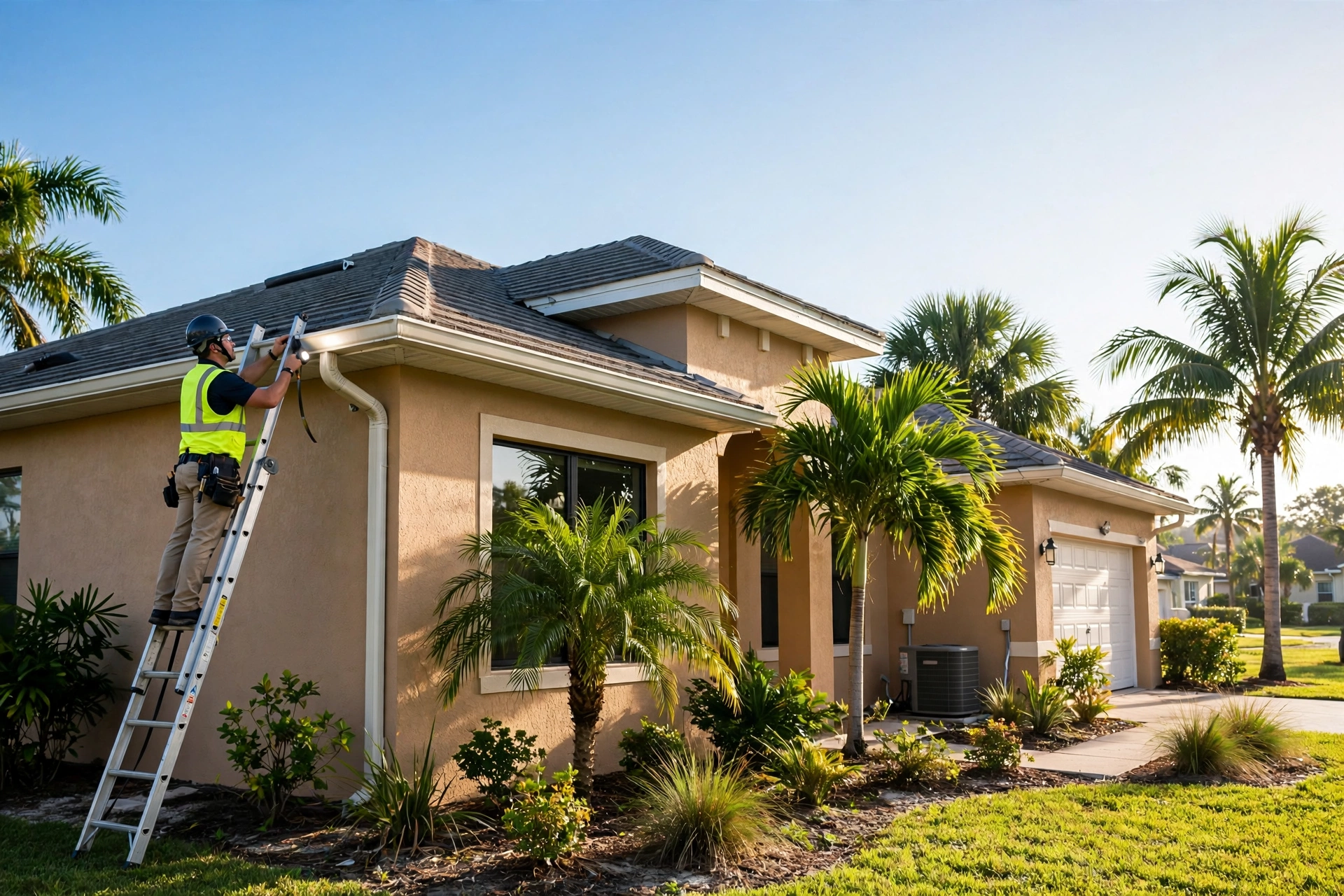
A wind mitigation inspection is a short visit, usually about thirty minutes, from a licensed inspector who documents how your home resists hurricane winds. The findings go on the state uniform mitigation verification inspection form, and you send that form to your insurer. Under Florida law, the insurer must apply discounts for every feature the form verifies. No documentation means no discount, even when the features are physically there.
The report stays valid for five years, and competing inspection firms price the visit between 75 and 200 dollars. That math is why brokers tell clients to start here. A single report can pay for itself many times over in the first year alone, and it keeps working at every renewal until it expires. Our Florida Homeownership Costs hub tracks this lever beside insurance, flood coverage, property taxes and association fees, because the stack is what a Florida home truly costs.
The Seven Features an Inspector Scores
The form scores seven categories, and each one earns credit on its own. A weak category does not cancel a strong one, so almost every home earns something.
First comes the building code year your home was built under, because newer code means stronger construction standards. Second is the roof covering, where products rated to the Florida Building Code earn credit. Third is roof deck attachment, which looks at the nail size and spacing that hold the roof deck to the trusses. Fourth is the roof to wall connection, rated from basic toe nails up through clips and single wraps to double wraps, the strongest option. Fifth is roof geometry, where a hip roof that slopes on all sides earns more than a gable roof. Sixth is secondary water resistance, a sealed barrier under the roof covering that keeps rain out even if shingles tear away. Seventh is opening protection, meaning impact rated windows and doors or approved shutters on every opening.
Opening protection deserves a warning. It is usually the largest single credit, and it is scored all or nothing. One unprotected window or door removes the whole credit, so walk your home before the inspector arrives and note any opening that still needs a shutter or an impact rated replacement.
How Much You Can Save, With Honest Math
Credits apply only to the wind portion of your premium, never to the whole bill. For many Florida homes that wind portion runs between a third and more than half of the total premium, and guides that track these credits put the reduction on that portion at roughly 10 to 45 percent, with the strongest homes saving more.
Run an illustrative example. Take a Broward County home paying 5,800 dollars a year, with about half of that bill priced as wind coverage, or 2,900 dollars. Credits that cut the wind portion by 30 percent would save about 870 dollars a year. Over the five year life of one report, that is more than 4,000 dollars from an inspection that cost less than 200 dollars. Your own numbers will differ by carrier and by home, and any honest quote should show you the premium with the credits applied and without them, side by side.
Why Broward and Miami Dade Homes Start Ahead
County detail matters here. Broward County and Miami Dade County sit in the High Velocity Hurricane Zone, where Florida enforces its strictest building code. Homes built or re roofed under that code often carry several credit worthy features already, including stronger roof deck attachment and rated roof coverings. Owners in Palm Beach County and across coastal Florida face the same wind pricing pressure, and older homes there can gain the most from upgrades, because a new roof or added opening protection can move several categories at once. If you recently replaced a roof anywhere in Florida, order a fresh inspection, because your old report cannot credit features it never saw.
The 2026 Form Change and the Five Year Clock
Timing adds one more reason to act this year. The state revised the inspection form in April 2026, the first revision in over a decade, with tighter documentation for each feature. Inspections done on or after April 1, 2026 must use the new version. Older reports generally remain valid for the rest of their five year window if the home has not changed, so check the date on yours before you pay for a new one. If your report is near expiry, or you changed insurers and your new carrier asks for current documentation, schedule the visit before renewal shopping starts, not after quotes come back without your credits in them.
Mistakes That Quietly Erase Credits
Three mistakes cost Florida homeowners money every renewal. The first is letting a report expire and never noticing, because carriers are not required to chase you for a new one. The second is upgrading the home and skipping a new inspection, so a new roof or new impact windows sit uncredited for years. The third is assuming a quote already includes your credits when you switch carriers. Always ask, in plain words, whether the wind mitigation form is on file and which credits were applied. While you are reviewing the full cost stack, also read our breakdown of Florida Amendment 3 explained and what homeowners save, because a yes vote on November 3, 2026 attacks the tax side of the same bill.
Your Action Plan This Week
Do these four steps before your next renewal. First, find your last wind mitigation report and check its date. Second, if it is expired, missing, or older than your last roof, book a licensed inspector and keep the permit records for any roof work handy. Third, send the signed form to your agent and ask for a rewritten quote with every credit itemized. Fourth, price the one upgrade that unlocks a missing credit, starting with opening protection, and compare its cost against five years of savings. For the wider map of taxes, insurance and flood risk, visit the Real Estate Hub.
If you want a Florida broker to review your credits and requote the policy with every one applied, that is the daily work of my agency, Statewide Insurance.
Take Action Today
Want a clear plan for your money beyond one insurance bill? Download Unlocked Vol 2, our free 18 page Financial Freedom Playbook, and get practical steps you can use this week. Book the inspection, claim every credit your home has earned, and keep the savings.