
Most Florida homeowners learn how much is flood insurance in florida only after a lender, a closing or a storm forces the question. By then the price feels like a surprise, and surprises are expensive. The honest answer is that your neighbor cannot tell you your price, because Florida flood pricing is now built home by home. What you can do is learn the real averages, learn what moves your number up or down, and learn the two deadlines that catch owners off guard every year.
How Much Is Flood Insurance in Florida on Average
Start with the scale of the market. Florida holds about 39 percent of all flood policies in the National Flood Insurance Program, more than the next six states combined, according to an analysis of FEMA data published this month. That same analysis put the average single family NFIP policy in Florida at 1,524 dollars a year as of September 2026, above the national average of 1,355 dollars.
Treat that average as a midpoint, not a quote. Many inland homes in lower risk areas pay a few hundred dollars a year. Coastal homes and homes with a history of flooding can pay several thousand dollars a year. Private flood insurers compete beside the federal program and can offer limits and options the federal program does not. The only number that matters is the quote written for your address, your elevation and your home.
What the Federal Program Covers and Where It Stops
A standard NFIP policy covers the building up to 250,000 dollars and your belongings up to 100,000 dollars, and contents cover is a separate choice you must add. It covers the structure, its foundation, electrical and plumbing systems, appliances and flooring. It does not pay for temporary living costs while you are out of the home, and it does not cover everything in a basement or a detached structure the way many owners assume.
That cap matters in South Florida. If your home would cost 500,000 dollars to rebuild, a federal policy alone leaves a wide gap after a major flood. Private flood policies can write higher limits and can add living expense cover, which is why comparing both markets beats taking the first quote. Our Florida Homeownership Costs hub puts flood cost beside taxes, wind cover and association fees so you can see the full stack.
Why Your Price Moved Under Risk Rating 2.0
FEMA now prices flood insurance under a system called Risk Rating 2.0. Under the older system, your flood zone did most of the talking. Under the current system, FEMA weighs the distance to water, the elevation of your first floor, the type of foundation, the cost to rebuild your home and its flood history. Two homes on the same street can now carry very different prices, and both prices can be correct.
Federal law also limits how fast most existing policy prices can climb each year, with annual increases generally capped between 18 percent and 25 percent depending on the policy type, until the price reaches the full risk level for that home. That is why some owners see a steady climb at every renewal even without a claim. A flood line that rises every year belongs in your long term budget, not in a one year guess.
Who Must Carry Flood Insurance in Florida
The first group is clear. If you have a federally backed mortgage and your home sits in a high risk flood area, your lender will require flood insurance. The second group is growing. Citizens Property Insurance, the state backed insurer, now requires flood cover on its personal residential policies that include wind cover, phased in by home value. Homes valued at 400,000 dollars or more reached their deadline on January 1, 2026, and every remaining Citizens policy with wind cover must carry flood insurance by January 1, 2027. The flood policy must reach at least your Citizens dwelling limit, or the federal program maximum when that limit is higher.
The third group should pay attention even without a requirement. FEMA reports that about one third of flood claims come from outside high risk areas. Water does not read a map before it enters a home. If a policy costs a few hundred dollars and one inch of water can cause tens of thousands of dollars in damage, the math deserves a real look. A licensed Florida agent can price both markets for your exact address, and that comparison is the kind of shopping Statewide Insurance helps Florida homeowners do before a renewal locks in.
The 30 Day Rule and Other Timing Traps
Almost every flood policy carries a waiting period, usually 30 days from purchase, before cover begins. Buying during a quiet week in November protects you for the storms of next summer. Buying when a storm is already in the Gulf does not protect you from that storm. This single rule is the most common timing mistake in Florida flood insurance.
Other traps are quieter. Letting a policy lapse can cost you a discounted price you can never recover. Assuming your homeowners policy covers flood damage is wrong, because standard homeowners cover excludes flood. Some federal policies can transfer to a buyer, so always ask whether an existing policy can be assumed at closing. And remember that your florida hurricane deductible applies to wind damage under your homeowners policy, not to flood damage, which carries its own deductible.
How to Lower Your Flood Insurance Price in Florida
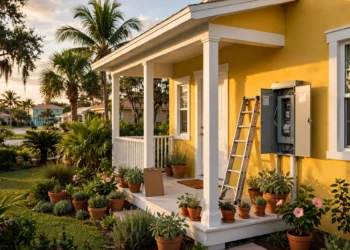
You cannot move your home away from water, but you can correct the facts your price is built on. First, get an elevation certificate if your home does not have a current one, because documented elevation can lower a price that was set on estimates. Second, ask whether flood openings, an elevated utility platform or other mitigation steps apply to your home. Third, compare deductibles carefully, knowing a higher deductible lowers the price but raises your cost on claim day. Fourth, quote the private market beside the federal program at every renewal, because the winner changes as both markets reprice.
Fifth, strengthen the home itself where the return is real. The inspection and grant steps in our guide to the My Safe Florida Home Program 2026 can document features that help your wind price and make your home more resilient in the next storm.
Your Flood Cost Checklist Before You Renew
Here is the usable version. First, find out whether you are in the lender required group, the Citizens phase in group or the voluntary group. Second, get two quotes for your exact address, one from the federal program and one from a private flood insurer. Third, confirm your building limit against your true rebuild cost, not your purchase price. Fourth, check your elevation facts and correct any error before the quote is final. Fifth, calendar your purchase at least 30 days before you need the cover in force.
The better decision is not the cheapest policy. It is the policy whose price, limits and start date you actually understand. Less noise, more clarity, real growth starts with knowing what your home truly costs to protect.
Want the wider system for decisions like this one? Download our free ebook at Unlocking Financial Freedom and use its simple planning steps to budget the full cost of owning your Florida home. Then run the checklist above before your next renewal and buy your flood cover while the weather is calm.