
A four point inspection florida insurers ask for can stop a policy before price is even discussed. A family finds a home they love, gets a quote that fits the budget, and then hears one short sentence: we need a four point first. Days later the report names an old electrical panel or a tired roof, the quote is withdrawn, and the closing is at risk. That surprise is avoidable. Once you know what this report covers, what it costs, and what makes an insurer walk away, you can fix the small items early and face the big items with a plan.
Our Florida Homeownership Costs hub tracks this inspection beside insurance, taxes and storm costs, because in Florida the true cost of a home is the full stack, never the mortgage alone.
Four Point Inspection Florida: What It Covers and Costs
A four point inspection is a focused report on four systems only: the roof, the electrical system, the plumbing, and the heating and cooling system. A licensed inspector records the age, type and condition of each system, takes required photos, and notes any hazard or active damage. The inspector does not grade your whole house, does not open walls, and does not certify that a system will last. The report simply gives the insurer a current, honest picture of the four systems that drive the most expensive claims.
Most Florida homeowners pay about 75 to 200 dollars for the visit, and the appointment usually takes under an hour. Bundling it with a wind mitigation inspection often costs less than booking two visits apart. The report is commonly treated as current for about 12 months, so timing matters. Order it too early in a long search and you may pay twice.
Who Needs One and When an Insurer Asks
No Florida law orders every homeowner to get this inspection. It is an insurer requirement, and each company sets its own age trigger. Citizens Property Insurance requires a four point inspection on homes more than 20 years old. Many private carriers ask on homes about 20 to 30 years old or older, and some ask at renewal when a home crosses an age line. Buyers of older South Florida homes in Broward, Miami Dade and Palm Beach counties should expect the request and budget for it from the start.
Understand one point that confuses almost everyone. There is no official pass or fail stamp on the form. The inspector documents what exists, and the insurer decides whether the home is eligible, eligible after a named fix, or not eligible at all. That is why the same report can be accepted by one company and declined by another. A local independent broker such as Statewide Insurance can place the same report in front of several carriers at once, which is the practical way to learn which company will insure your home as it stands and which will not.
What Fails Each of the Four Systems
Insurers look for the same three things in every system: does it work today, how much useful life is left, and is there a known fire, water or safety hazard. The common flags are predictable, and most of them are visible before you ever book an inspector.
- Roof: a covering with under three to five years of remaining life, active leaks, missing or curling shingles, and past work with no closed permit are the top flags. Our guide to florida homeowners insurance roof age and the 15 year rule explains the separate age protection Florida law gives newer roofs.
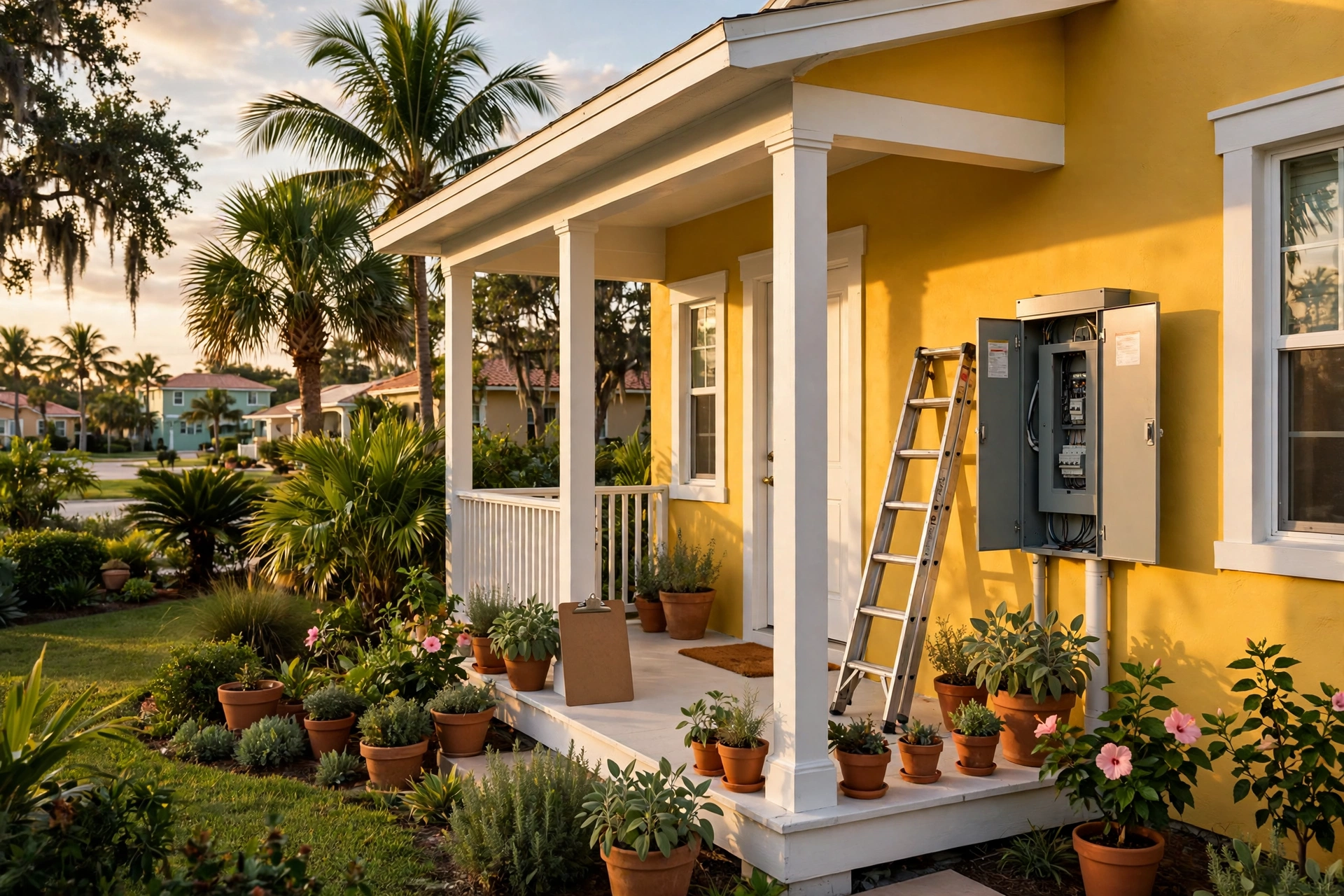
- Electrical: Federal Pacific and Zinsco panels, aluminum branch wiring, knob and tube wiring, and breakers that are double tapped are frequent declines, because each one raises fire risk in the eyes of an underwriter.
- Plumbing: polybutylene and galvanized pipes, active leaks, corroded supply lines, and a water heater well past its expected life are the usual problems, because slow water damage is one of the costliest claim types in Florida.
- Heating and cooling: a system that does not cool when tested, heavy corrosion, or a unit near the end of its service life will be noted, even though Florida winters ask very little of the heating side.
A flagged item is not always the end of the road. A panel swap often costs about 1,500 to 4,000 dollars and removes both a safety hazard and an eligibility block in one job. Fixing an active leak is usually far cheaper than arguing about it. A roof with little life left is the hard case, because a full replacement can run into five figures, and that cost belongs in your offer price.
How a Four Point Inspection Differs From Wind Mitigation
These two reports are often ordered on the same day, which is why owners mix them up. They do opposite jobs. The four point report decides eligibility: whether a company will insure the home at all. The wind mitigation Florida report decides price: it documents storm features such as roof shape, roof attachments and opening protection on the state form, and Florida law requires insurers to give credits for qualifying features. Win eligibility first, then win price. A large credit on a home no company will insure helps nobody.
How to Prepare Before the Inspector Arrives
Walk your own home first with the four systems in mind, a full week before the visit if you can. Photograph your electrical panel label, your water heater label and your cooling unit label, and write down the age of your roof from your closing papers or permit records. Fix every active leak you find, clear access to the panel and the water heater, and replace any dead cooling filter so the system shows its true condition when tested. If you know you have a Federal Pacific or Zinsco panel or polybutylene pipes, get a quote for the fix before the inspection, so you can act the same week the report lands.
Ask the inspector two questions when you book. First, ask whether the report and photos meet the format your insurer wants, because a rejected format means a second visit. Second, ask how quickly you will receive the signed report, because your agent cannot finish your application without it. Small steps like these are the difference between a calm renewal and a last minute scramble for coverage.
Your Check Before You Book
Here is your usable takeaway. Before you book, list the age and condition of your roof, panel, plumbing and cooling system on one page, fix every active leak, and get one quote for any known panel or pipe problem. Then order the inspection while that page is fresh, and send the report to more than one carrier before you accept a decline as final. Less noise, more clarity and one honest page of facts will protect your closing and your renewal.
Download the free ebook Unlocked Vol 2: The Financial Freedom Playbook for the wider system behind decisions like this one. Open it tonight and add this one page inspection check to the home costs you review every year.