
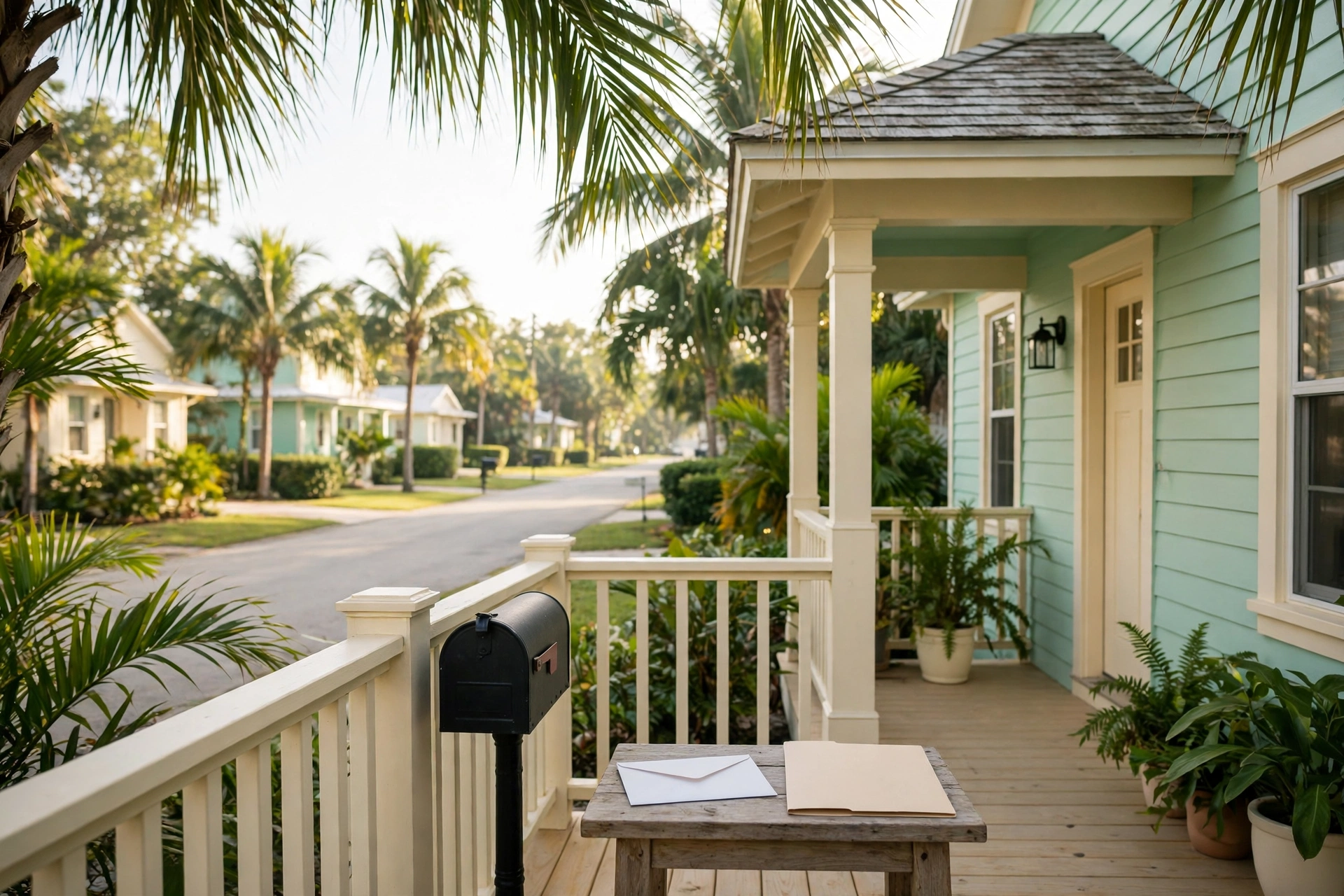

A citizens takeout offer is not junk mail, and treating it like junk mail is the most expensive mistake a Florida homeowner can make this month. That plain envelope holds a deadline, a new company name and a new premium, and silence counts as an answer. If you do nothing, your policy can move to a private insurer you never chose, at a price you never compared. The letter also holds real choice, but only for the homeowner who reads it in time and does the math before the window closes.
What a Citizens Takeout Offer Actually Does
Citizens Property Insurance Corporation is the state created insurer of last resort in Florida, for homes that cannot find comparable cover in the private market at a fair price. When the private market gets healthier, the state wants Citizens to shrink, through a process called depopulation.
In a depopulation round, private insurers approved by the Florida Office of Insurance Regulation select Citizens policies they are willing to take over. Citizens then mails a packet naming each company making an offer, its estimated premium and the estimated renewal premium if the policy stayed with Citizens. That packet is the takeout offer. It is not a bill and it is not a scam, but it demands a decision.
The scale explains why so many letters are landing in South Florida mailboxes this fall. Citizens held 1,407,805 policies at the end of September 2023. By June 30, 2026 that count had fallen to 278,246. Each move back to a private carrier started with a letter like the one on your counter. Our Florida Homeownership Costs guide puts this shift in context beside property taxes, flood cover and association costs.
The 20 Percent Rule That Decides If You Can Stay
One number decides how much choice you have, and it is 20 percent. Compare each private offer with the estimated Citizens renewal premium in your packet, for comparable coverage. If an offer costs no more than 20 percent above that figure, Florida law says the home is no longer eligible to stay with Citizens. You still choose, but among the private offers. Staying is not on the menu.
If every offer costs more than 20 percent above the Citizens renewal figure, you keep the right to remain with Citizens. That right is not automatic. You must register your choice by the date on your form, online through Citizens or through your agent, using your policy number and registration code. If no choice is registered, Citizens assigns the policy to the company with the lowest estimated premium, even when you had the right to stay.
Read the form name at the top of your packet, because it tells you which case is yours. A Policyholder Depopulation Form means an offer inside the line has ended your eligibility to stay. A Policyholder Choice Offer Form means the stay option is still open, as long as you register it in time. Current Citizens guidance also warns that there is no longer a 30 day window to return after an assumption, so the choice you register, or fail to register, stands.
The December Deadline in the Current Round
Timing is not a detail here, it is the whole decision. In the current round, built around a December 15, 2026 assumption date, state approval came on September 15, 2026 and the Policyholder Choice letter went out on October 28, 2026. The choice deadline is December 4, 2026. If your letter matches that round, you have about three weeks to compare, decide and register.
One more fact makes the math sharper this year. Citizens cut its homeowners multiperil rates by an average of 8.8 percent statewide in 2026, effective July 1 for new policies and at renewal for existing ones. A lower Citizens renewal estimate makes the 20 percent line harder for a private offer to cross. Our breakdown of Florida homeowners insurance rates in 2026 shows how that cut sits inside the wider market you are now shopping.
How to Compare a Citizens Takeout Offer
First, circle the deadline and the assumption date before you read anything else. Work backward from those dates and give yourself a week of cushion, because a late registration is the same as no registration at all.
Second, do the 20 percent math yourself. Take the estimated Citizens renewal premium, multiply it by 1.20, and write that number at the top of the page. Every offer at or below it sits inside the eligibility line. Every offer above it leaves your stay right intact, if you register it.
Third, compare the coverage worksheets line by line, not just the premiums. Check the dwelling limit, the hurricane deductible, the standard deductible, water damage limits, roof terms and exclusions. A lower premium built on a higher hurricane deductible is not a saving, it is a cost moved to the worst week of the year. A flood policy is separate, and our guide to how to meet the Citizens flood insurance requirement explains the flood rules that still apply whichever company holds your wind cover.
Fourth, check the company that wants your home. Look up its financial strength rating with Demotech or AM Best, and its complaint record, before you trust it with a hurricane claim. A young company can be a fine price and a poor promise at the same time. If you want a second set of eyes, an independent Florida agent can shop the offer against other carriers for your home, and that comparison work is the daily job at Statewide Insurance.
Fifth, register your choice and keep proof. Note the confirmation and file it with the packet. Florida law also protects your right to keep your current agent through a takeout when that agent is licensed and appointed with Citizens, so a company change does not have to mean a relationship change.
What Homeowners Miss in the Fine Print
Most homeowners miss that eligibility has a ceiling. A primary home with a dwelling replacement cost of 700,000 dollars or more is generally not eligible for Citizens at all, with a higher limit of 1 million dollars in Miami Dade and Monroe counties. If your home sits near that line, planning the move beats being moved.
They also miss that the packet premium is an estimate. Your final premium can shift once the new company reviews the home, so ask what could change it in writing. Doing nothing is a decision, and here it hands your choice to a default rule.
Here is your action for this week. Find the envelope, circle December 4 if your letter belongs to the current round, run the 20 percent math, compare one coverage worksheet in full, and register your choice with a week to spare. That hour keeps the decision about your home where it belongs, with you.
For the wider system behind decisions like this one, download the free ebook Unlocked Vol 2: The Financial Freedom Playbook. It walks through the saving, debt and income moves that matter most in one practical read. Open it tonight and add this takeout check to your money jobs before the December deadline.