

The Federal Reserve just did something it has not done since 2023. It raised interest rates.
The headlines talk in basis points and target ranges. Your wallet will feel it in dollars. Higher payments on the debts you carry. Higher earnings on the savings you keep. Whether this hike helps you or hurts you depends almost entirely on which side of that line you sit on, and on what you do in the next 30 days.
Here is what happened, how it reaches your money, and the exact moves to make now.
What Just Happened
In its September meeting, the Federal Reserve lifted its benchmark rate to a range of 3.75 percent to 4.00 percent. It was the first increase since 2023, and it was aimed squarely at inflation that has refused to cool all the way down.
Fed officials signaled that one more quarter point hike could come before the end of the year. Markets took notice fast. The 10 year Treasury yield touched 5.11 percent in late September, its highest level in 19 years. The average 30 year fixed mortgage rate climbed to 7.03 percent, crossing 7 percent for the first time since January 2025.
Search interest tells the same story. Queries about the Fed rate decision are up 400 percent in three months as ordinary people try to figure out what it all means for them. This post is your answer.
How a Rate Hike Reaches Your Wallet
The Fed does not set your credit card rate directly. But most variable rates in your life are tied to the prime rate, and the prime rate moves in lockstep with the Fed. When the Fed hikes, the chain reaction is quick.
Credit cards get more expensive within one or two billing cycles. Home equity lines of credit adjust upward. Adjustable rate loans reset higher. New auto loans and personal loans get priced at higher rates from day one.
Mortgages work a little differently. They follow the 10 year Treasury yield more than the Fed itself, and that yield had already climbed before the announcement. If you are shopping for a home now, you are shopping in a 7 percent mortgage world.
There is a bright side, and it belongs to savers. Banks raise the rates they pay on high yield savings accounts and certificates of deposit after Fed hikes. Money sitting in a checking account earning next to nothing just got a better alternative.
The Two Sides of Higher Rates
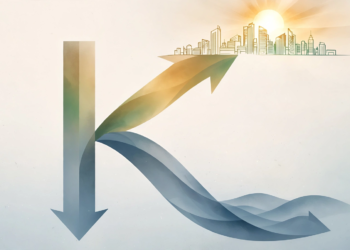
Every rate hike creates winners and losers at the same time. Borrowers pay more. Savers earn more. Same policy. Opposite results.
Which side you land on is not luck. It is a reflection of your balance sheet. If most of your dollars are working as debt, hikes cost you. If most of your dollars are working as savings and investments, hikes pay you. The goal of the next 30 days is simple. Move yourself toward the side that gets paid.
Five Money Moves to Make Now
1. Attack variable rate debt first
Credit card balances are the most urgent target. Their rates adjust fastest and they are already the most expensive debt most households carry. List your variable rate debts from highest rate to lowest. Direct every spare dollar at the top of the list while paying minimums on the rest. Every balance you clear is interest you will never pay at the new higher rates.
2. Move idle cash to a high yield account
If your emergency fund or short term savings sit in a regular checking or savings account, you are leaving money on the table. High yield savings accounts are paying meaningfully more after the hike, and your money stays liquid and safe. Moving it takes 15 minutes online. There is no good reason to wait.
3. Lock in a certificate of deposit
If you have cash you will not need for six to twelve months, a certificate of deposit lets you capture today’s rates before anything changes. CD rates tend to rise after Fed hikes, then drift if the Fed pauses. Locking in now turns the hike into guaranteed return.
4. Rethink any big financed purchase
A car loan or a home purchase signed today carries a higher rate than the same purchase last spring. That does not mean you should never buy. It means you should run the numbers again with fresh eyes. A larger down payment, a shorter loan term, or simply waiting can save you thousands in interest over the life of the loan.
5. Keep investing and do not panic
Rising rates make headlines scary, but history is calmer than the news. In most past hiking cycles, the stock market was higher twelve months after the first hike than before it. If you are investing for the long term, the steady move is to stay steady. Keep your automatic contributions going. Time in the market has always mattered more than timing the Fed.
What Not to Do
Do not rush to refinance right now. With mortgage rates above 7 percent, refinancing only makes sense in rare cases. Do not carry a credit card balance while hoping rates come back down. Hope is not a strategy and interest compounds monthly. And do not leave cash earning nothing while complaining about prices. The hike gave savers a raise. Claim it.
Your Move This Week
Information without action is entertainment. Here is your assignment before next weekend.
First, check the interest rate on your credit cards and any variable loans. Write the numbers down. Second, check what your savings account actually pays. If it is near zero, open a high yield account and move your emergency fund this week. Third, pick one debt and make an extra payment toward it today, even a small one.
Three checks. One week. That is how you turn a Fed headline into money in your pocket instead of money out of it.
Rate hikes are not fair. They never promised to be. But they are readable, and what you can read, you can respond to. The households that come out ahead are not predicting the Fed. They are simply positioned for it. Position yourself this week.